Drilling tools are essential equipment used in industrial manufacturing, construction, and routine maintenance. Their assembly directly impacts their efficiency and safety. A sound structural design not only improves precision but also extends tool life and reduces operational risks. This article will analyze the assembly of hole-drilling tools from three perspectives: core components, functional modules, and assembly logic.
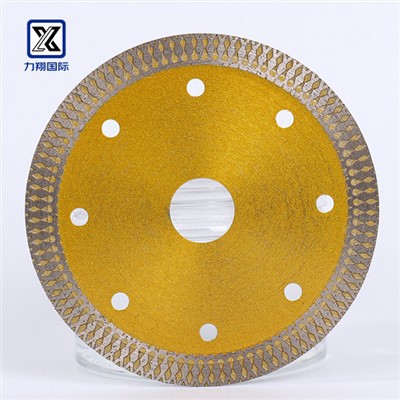
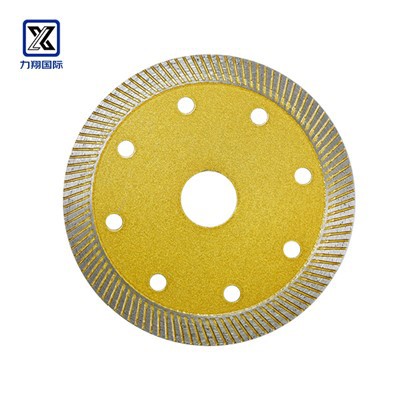
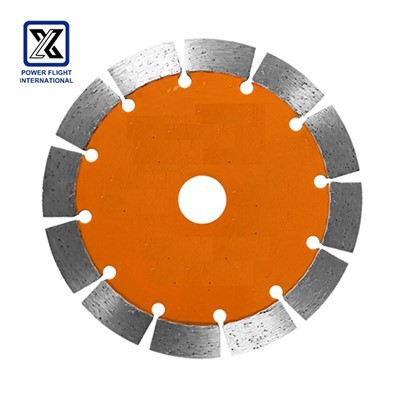
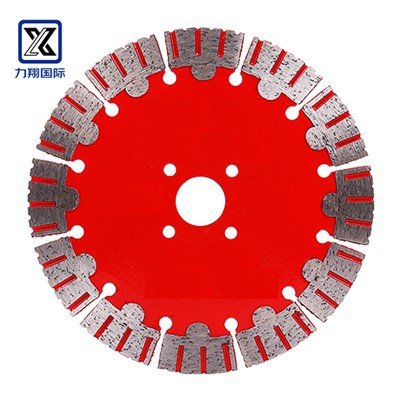
The core components of hole-drilling tools typically include a power transmission unit, a cutting unit, and a support structure. The power transmission unit is the tool's power source and typically consists of an electric motor, pneumatic motor, or hydraulic device, converting energy into mechanical motion. The cutting unit directly contacts the workpiece and consists of a drill, tool, or cutting blade. Materials typically used are carbide or high-speed steel for wear resistance and sharpness. The support structure provides stability, such as fixed brackets, guide rails, or clamping devices, to secure the workpiece or adjust the tool's position. All three components work in tandem, and each is essential.
Based on their functional modules, hole-drilling tools can be divided into a drive module, a control module, and an auxiliary module. The drive module is responsible for power output, selecting speed and torque parameters based on the job requirements. For example, metalworking often requires high speeds, while concrete drilling relies more on low speeds and high torque. The control module includes speed control switches and depth limiters, enabling precise control of the operation process. Some high-end tools also feature electronic feedback systems for automated control. Auxiliary modules such as cooling systems and chip removal devices reduce frictional heat damage and remove debris, significantly improving operational continuity.
In terms of assembly logic, drilling tools must adhere to the principles of mechanical balance and operational ease. First, the power transmission path must ensure efficient energy transfer to avoid efficiency loss due to loose connections. Second, the mounting angle and depth of the cutting unit must be strictly calibrated to ensure accurate hole diameters. Finally, ergonomic design is crucial. For example, the anti-slip treatment and weight distribution of the handle directly affect the operator's control stability. Furthermore, the integration of safety features, such as overload protection and emergency braking systems, is an essential element of modern drilling tool design.
In summary, the assembly method of drilling tools is a comprehensive technology that integrates mechanical engineering, materials science, and human-computer interaction. By optimizing the collaborative relationship between various components, not only can the tool performance be improved, but also customized solutions can be provided for different application scenarios, promoting technological progress in related industries.